


This article is my way of sharing the human filters I’ve appreciated the most this year.
These are newsletters curated by real people with a point of view, a method, and a visible relationship with what they recommend. They don’t just collect links. They interpret, reframe, connect dots, and often take risks by venturing outside the obvious and the popular. They also write with their personal authentic voice.
I don’t rely on algorithms alone. I rely on people. Personal human filters made of curators, thinkers, explorers, and trusted guides whose taste, judgment, and curiosity I’ve learned to trust over time.
These people form my personal discovery stack. They help me decide what to read, what to explore, what to ignore, and sometimes even how to think about something I thought I already understood.
What follows is not a ranking, nor a definitive list.
It’s a snapshot of the curators who have consistently added depth, perspective, and meaning to my information diet in 2025.
If you’re tired of doomscrolling, generic summaries, and algorithmic noise, consider this an invitation to borrow a few of my trusted human filters and see where they take you.
P.S.: …and if you know other good ones, help us out and share them in the comments.
Robin
Table of Contents
a) Mapu - Instead of Doomscrolling
b) Caitlyn Richardson - Milk Fed
c) Thomas Klaffke - Creative Destruction
d) Kai Brach - Dense Discovery
e) Adriana L - Scenius Mag, Futuring Architectures
g) Joshua Parkinson - This Week in Social Media
i) Thomas McKinlay - Science Says
j) Shannan Mann & Karan Kapoor - Strange Pilgrims
a) Mapu - Instead of Doomscrolling
Finding content across the internet that is actually worth our time.

Focus on: literature, philosophy, fashion, media literacy, internet culture, technology, ecology, cosmology, feminism, mythology, and more.
What I really like: The insatiable curiosity. Mapu is a great discovery agent. Through her eyes I can get to know new authors, articles and great resources in which to immerse myself for hours.
What it teaches about curation: Being a generalist, a polymath, someone enjoying many different interests, can be a definitive plus for a curator:
“The connections I make between my fields of interest are what pave the way toward depth. … The wonderful thing about this is that even when I’m not an expert in something at first, having a robust foundation in other areas allows me to situate it within a wider network of ideas. These preexisting frameworks of perception and interpretation can be transferred not only to flatten the learning curve, but also to help me discern what is relevant to me and what is not.”
b) Caitlyn Richardson - Milk Fed
Appreciating thinking, books, films, perfumes and more.
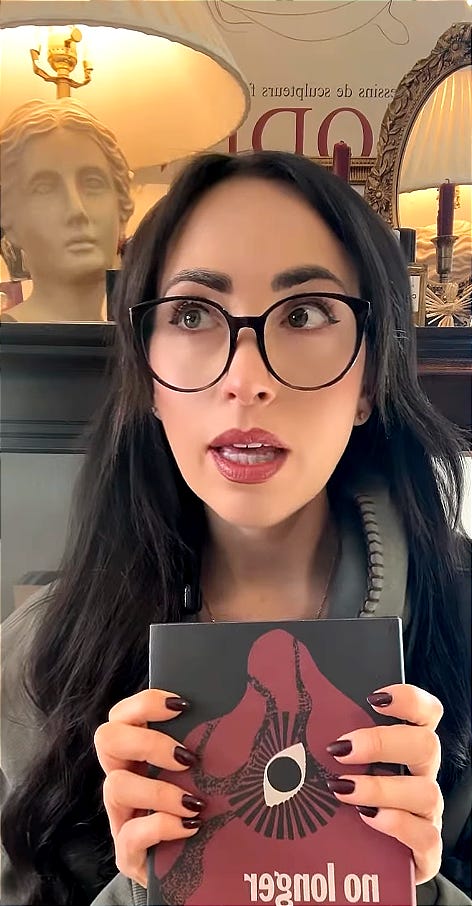
Focus on: philosophy, prose, perfume, books, films.
What I really like: Media and literary focus. Ability to ponder and reflect on key aspects of human life. Unique personal writing style: raw, direct, 100% AI-free. Aesthetics: the images and personal photos (many elegantly extracted from her own life). The number of interesting resources, links and authors she references.
What it teaches about curation: The value is not in collecting. The value is in interpreting. Giving meaning and sense through a personal viewpoint. You don’t need to be a senior to critically appraise something, but you do need to have seen a lot of that something before that taste can be articulated and explained to others.
Check Caitlyn videos here.
c) Thomas Klaffke - Creative Destruction
Imagining a better world through innovative reframing
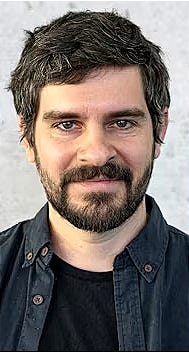
Focus on: regenerative futures, climate reframings.
What I really like: The focus on systematically re-interpreting possible futures. The “reframing” of existing ideas and traditional approaches and the opening of new spaces for non-obvious concepts and opportunities. The exceptional ability to visualize and aesthetically interpret vision and ideas in original ways.
What it teaches about curation: Finding new ways to look at things is curation applied to thinking. Constant research of new ways to interpret both present reality and the future is a rare ability. Present 21st century earth life does not train us to develop this useful skill. Few do it. Visual communication, information design and structure layout are extremely powerful - while generally underused - instruments for effectively communicating new concepts and ideas.
Check out these:
Business as Un-Usual (paid) (worth every cent) $29 - 76 pages visual report on envisioning business that embraces slowness, mindfulness, sufficiency, and care, while cultivating impact, resonance, playfulness, and meaning.
d) Kai Brach - Dense Discovery
Curating sustainable insights, resources and ideas for sensible indie thinkers.
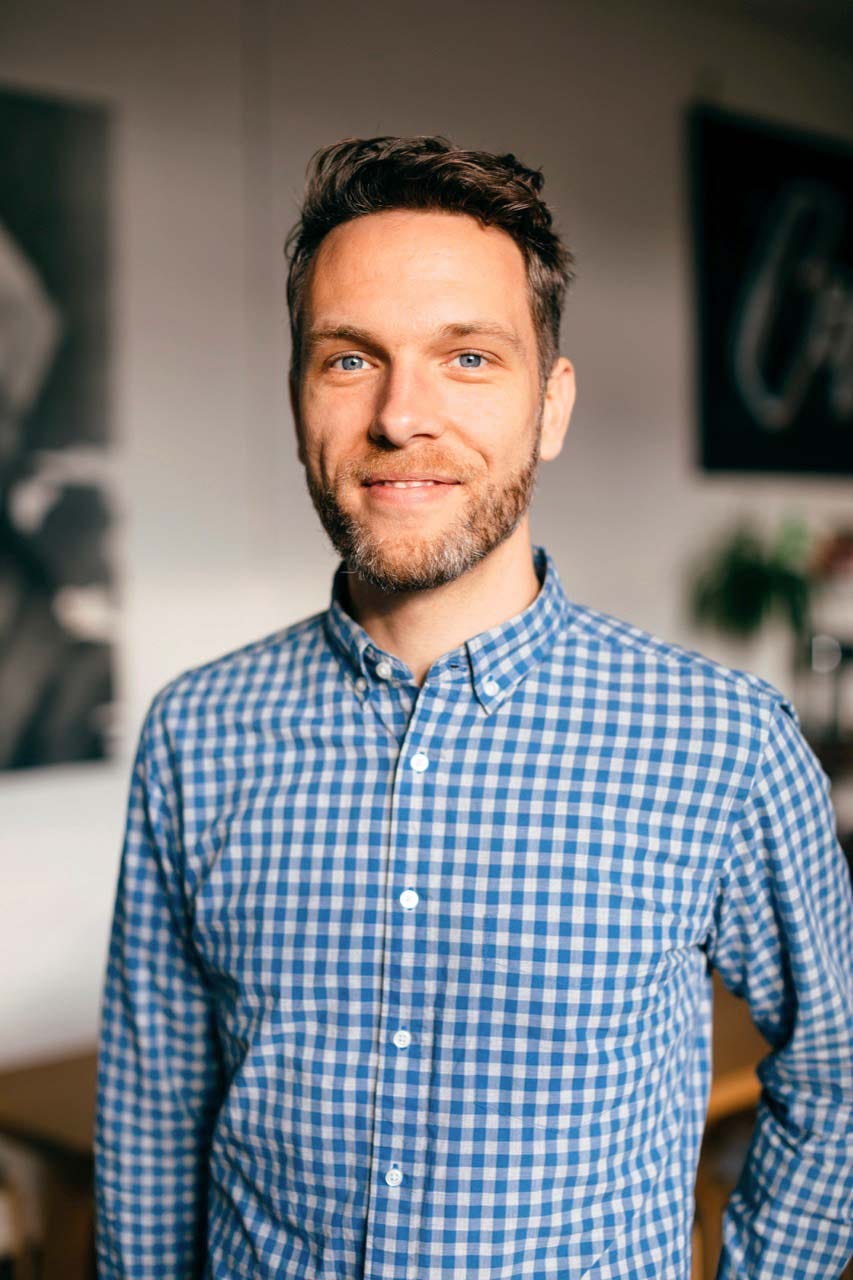
Focus on: design, tech, culture, ecosystems, green, climate.
What I really like: The structure, integrating many interesting sections. The ability to synthesize and focus on the essence. The clean, decoration-free information design. The personal authentic stance and analysis always present in the intros and the highlighting of many interesting authors and resources. The good balance between reflective insights and useful picks.
What it teaches about curation: Having an interesting, repeatable structure, that offers variety, entertainment and insight, fits today’s fast paced reading and limited attention time. Curated links without a strong voice anchoring everything to it, have next-to-zero value. Value is not always dictated by length. Focus and arrangement can be as, or more important.
e) Adriana L - Scenius Mag, Futuring Architectures
Exploring unconventional truths surfacing when exploring the cracks in the systems we rely on.
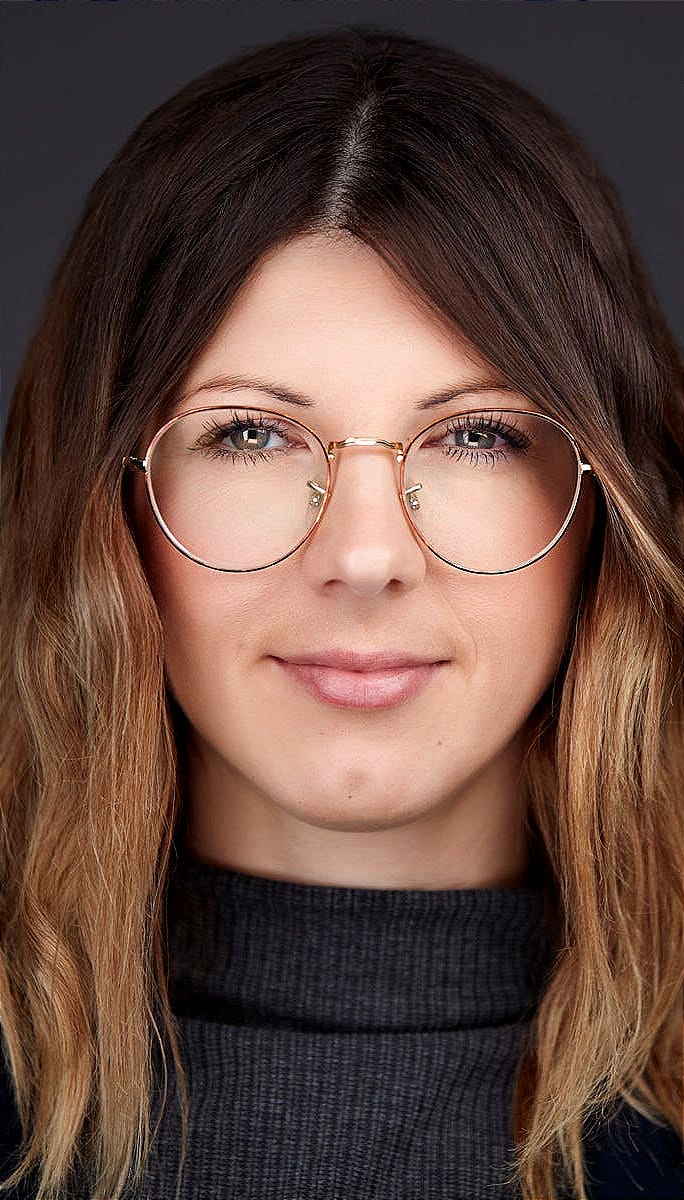
Focus: Interpreting reality from new and unusual perspectives.
What I really like: The constant venturing into unexplored grounds while mapping possible trails to get there. Unconventional sense-making. The constant search for interpretations that extend / expand our existing paradigms. The keen selection of related ideas from other authors.
What it teaches about curation: Especially when moving into wild, unexplored grounds, conjuring up other voices that complement, extend, your thesis, always creates greater depth and resolution.
f) Steve Bryant - Delightful
Paying attention to the non-obvious. Finding interesting things about the world we live in from a creative writer and editorial strategist perspective.
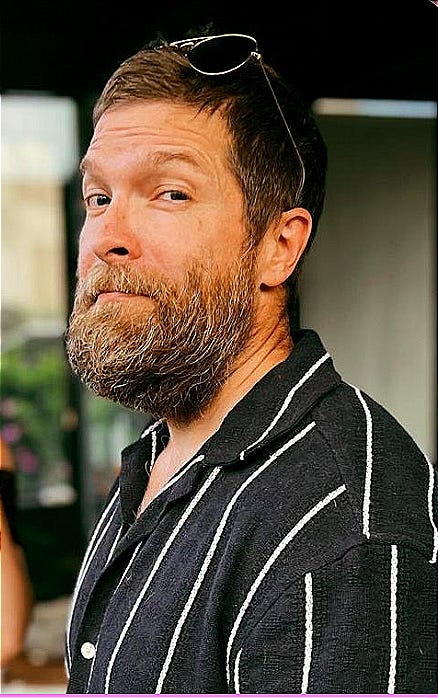
Focus on: creativity, content strategy, semiotics, ethnographic research.
What I really like: The laid-back, relaxed approach and the transparency/personal honesty about the author’s personal journey. The image selection (especially when they hide a secret-surprise link if you click them), and the rich unique selection of articles recommended through minimalist one-liners.
What it teaches about curation: Sometimes - when you have personality - the niche, the attention fulcrum, is you, not a specific topic. I read what you suggest, not because it is in line with what I am searching, but because I trust your way of seeing and I know you will take me to good places.
g) Joshua Parkinson - This Week in Social Media
Tracking and reporting on what a social media manager MUST know.
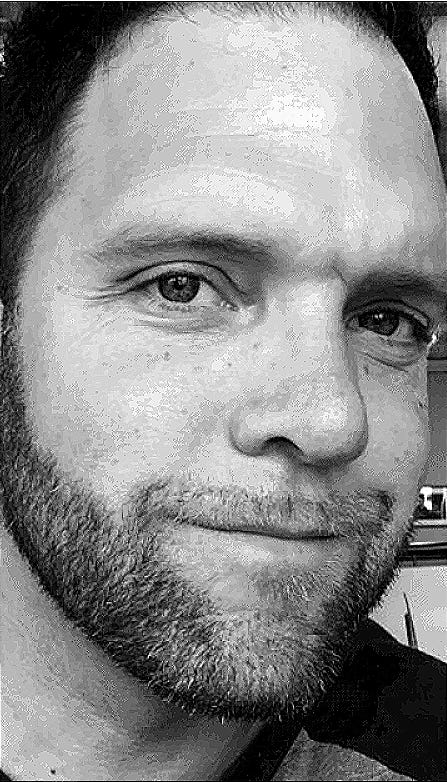
Focus on: Social media management.
What I really like: The social media coverage from the perspective of a professional social media manager’s interests. The comprehensiveness.
What it teaches about curation: The time for newsradars is more than ripe. If you can monitor, pick and contextualize the key news in your sector, while highlighting their relevance for your specific audience, there’s a bounty on you: WANTED.
N.B.: I really wonder why there are so few expert curators like these in specific industry sectors and niches.
h) Niall Doherty - eBiz Facts
Reviewing indie ways of making money online.
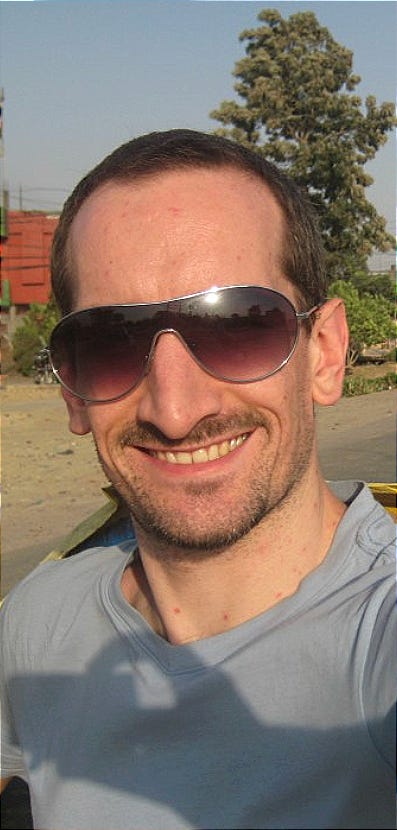
Focus on: Indie entrepreneurship and monetization.
What I really like: The ability to find and summarize interesting real success stories of little-known small indie entrepreneurs. Authentic voice. Authority built on showing alternatives, not on telling readers the right way. Lots of experimentation and testing in trying to find out what works when trying to make a business online. Totally transparent about his earnings. Building and learning in public.
What it teaches about curation: Stories, even simple ones, carry special weight and significance in transmitting ideas. The ability to synthesize and extract key insights is what separates a trusted guide from any reporter/reviewer. Niall is truly passionate in what he does. He’s not performing a business job. He’s doing what truly interests him.
i) Thomas McKinlay - Science Says
Turning scientific research into business recommendations.
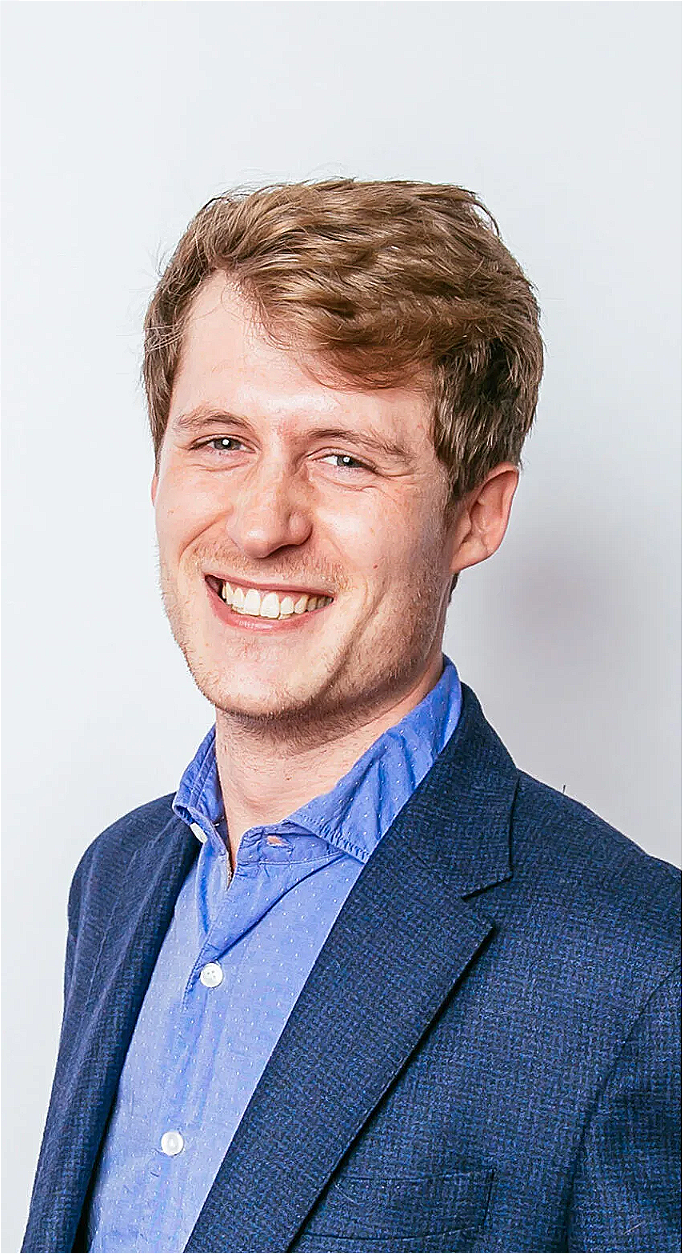
Focus: Turning scientific research into practical insights for online businesses.
What I really like: The direct down-to-the-ground practical usefulness of the analysis and advice offered. The grounding into academic research and tangible data. The specific suggestions. The real-world examples.
What it teaches about curation: More than ever today, the value is in the interpretation of existing, available data, for a specific audience / need. Thus, for one set of data there are many valuable interpretations depending on the target audience / need one is curating for.
j) Shannan Mann & Karan Kapoor - Strange Pilgrims
Curating fiction / nonfiction that “moves” you.
Focus on: Reader submitted surreal/speculative/fable-like stories, lyric/fragmented essays, criticism, experimental narratives, realism, that feels “brutally beautiful.”
What I really like: The indie, ad-free, reader-supported vibe. Strong “anti-algorithm” energy: curated, annotated media compendiums for literary people. The fact that each piece they publish is accompanied by a brief interview with the author, offering readers a deeper sense of their world.
What it teaches about curation: Eclectic taste works. Let people dream through stories and watch them follow you forever. Storytelling and children’s stories work. Anything “moving”, emotional, inspiring, can provide great value to the reader.
In a world drowning in information, the people who matter most are no longer the loudest voices, but the ones who consistently help you see clearly.
What I Can Do For You
If you are an expert, a consultant or advisor, striving to become a recognized online trusted guide in your field of work - without resorting to marketing tactics or persuasion techniques - I can be of help.
I help you learn how to gain visibility, authority and credibility online by curating existing information and resources, instead of creating more opinionated content.
If you would like to have my eyes or ears to look at what you’re doing, I am game.
If you are interested in learning more about how to start curating content yourself in your area expertise, check out the Curation-Based Authority System, a mini-video workshop that takes you through the most basic curation formats to build authority and credibility online, while showing you the requisites, the examples, the key steps to follow and the easy-to-make mistakes you need to avoid.
Follow a path with a heart.

From Koh Samui (TH)
Robin Good
.
Thanks for sharing! I will look into those :)
Thanks for sharing this 'information sanctuary.' In the age of algorithms, these human filters with such depth and warmth are truly precious.